On this page
Google announced new European search experiences in 2024, including visual results and links to aggregator sites. For publishers, the practical question is which experience applies to their pages and what the current documentation requires. A historical rollout does not guarantee that your website will receive a new placement.
This update separates the original announcement from an ongoing content-review process. Check the current result and documentation for your market before assuming that a screenshot or tab label from 2024 still represents every shopper’s experience.
The regulatory context
The European Commission’s DMA overview describes rules intended to make digital markets fairer and more contestable, with obligations for designated gatekeepers. This background explains the policy context; it does not establish that a particular merchant will gain traffic.
Do not treat a search interface announcement as a legal determination that every implementation satisfies the regulation. Keep official policy material separate from an assessment of your own website’s performance.
What the historical search announcement covered
Google’s February 15, 2024 announcement described carousel rich results, aggregator units and refinement chips. It distinguished structured-data carousels from aggregator links and noted that eligibility for aggregator units or chips did not require added markup.
The announcement now carries an outdated-information notice and links to current participation documentation. Preserve that date when citing it. Do not turn its initial test locations or pictured layouts into a claim about universal availability today.
Distinguish the result types
- Merchant page: the destination where a business explains or sells an individual offering.
- Collection or comparison page: a destination that helps readers inspect multiple relevant offerings.
- Search presentation: the result interface that links people to those destinations.
- Structured data: machine-readable information that must accurately describe the relevant page.
These are different parts of the journey. Adding a collection heading to a merchant page does not establish eligibility for a particular search format. Review the actual format requirements instead of copying markup from an unrelated example.
For carousel implementation, consult Google’s current carousel documentation. Verify the applicable page type, requirements and availability there before changing a template.
Audit the destination before chasing a result format
- Confirm the offering, intended audience and supported geographic market.
- Check visible product details against the underlying catalog or approved source.
- Review price, availability, delivery and return information where applicable.
- Use informative images that represent the actual offering.
- Check the mobile path from the opening answer to the intended next step.
- Validate the relevant markup against the visible content and inspect the published page.
A result format cannot repair an unclear destination. Review missing details, broken links and outdated claims before treating presentation changes as the main opportunity.
Original hypothetical collection-page example
Imagine an office-furniture collection containing six chair models. Three have documented dimensions, two lack a seat-height range and one links to an unavailable product. The review should flag the missing specifications and broken destination before approving a comparison summary.
These invented counts illustrate a content audit, not a merchant benchmark. The reviewer can approve the documented facts while holding unresolved claims. Do not invent product attributes to make every tile look complete.
Use current BrandWell for the editorial work
Use Visibility to investigate relevant keyword opportunities and RankWell to prepare and review explanatory content. Define the shopper’s question and supply approved product evidence before drafting.
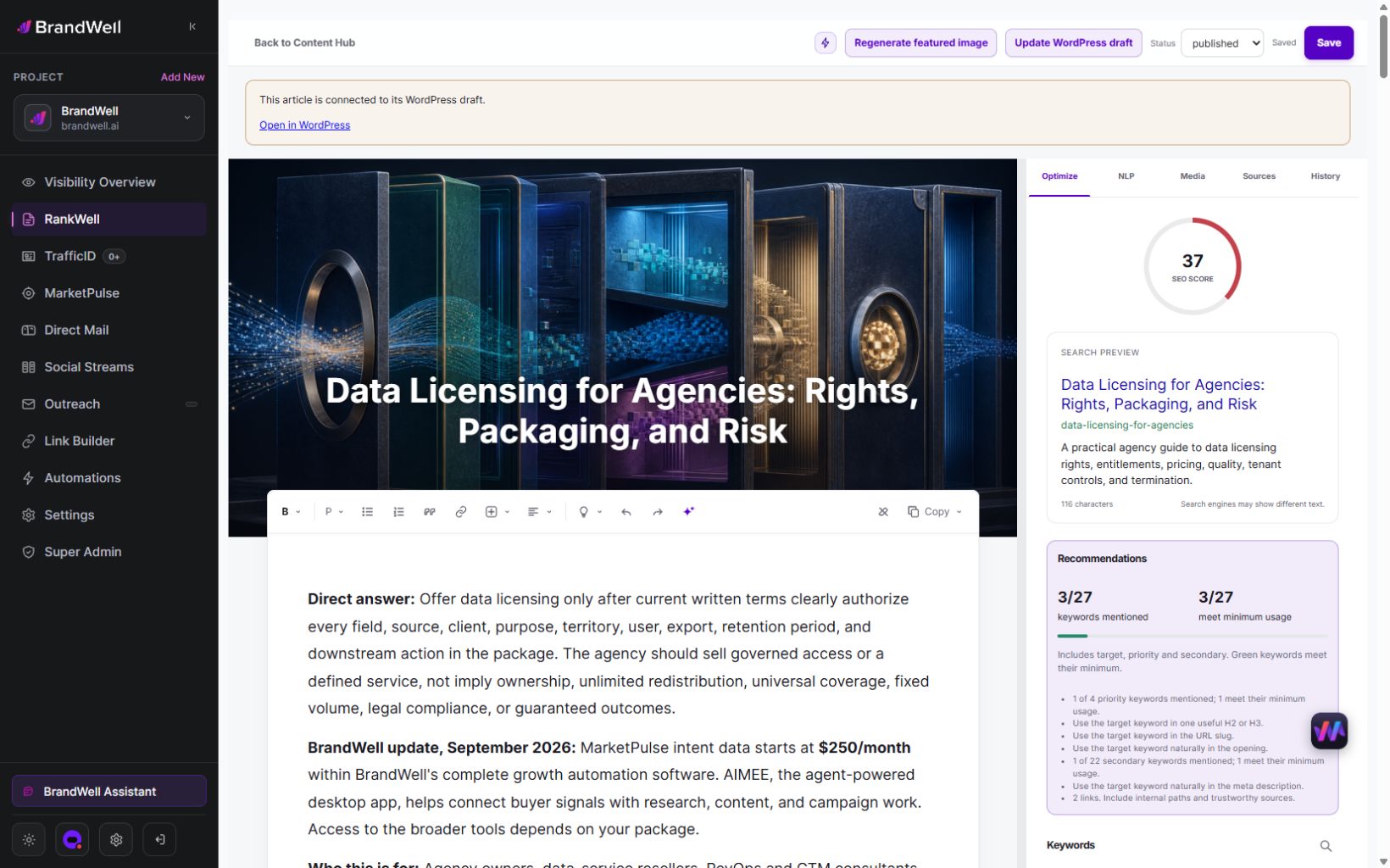
Check the actual text, media, search preview and publishing destination. AIMEE can help with approved actions through configured tools and permissions; verify what completed. An editorial workflow is separate from eligibility for a search result format.
Measure the page and market you changed
Record the pre-edit date, page, country and device context. Compare later search impressions, clicks and relevant business outcomes using consistent reporting periods. Keep seasonal demand and other site changes in the analysis.
A change in clicks after a layout update is an observation to investigate. It does not prove the interface caused the difference, and it should not be described as a guaranteed DMA benefit.
Common questions
Will every European shopping page receive a carousel?
No. A historical announcement does not establish eligibility or display for every page.
Should I use the old screenshot as implementation guidance?
Use the current documentation for the relevant format and inspect the actual published page.
Where does BrandWell help?
Start with keyword investigation in Visibility and supported content preparation in RankWell. Keep technical implementation and search reporting reviewable.
Reviewed and updated October 3, 2026.

Written by
Julia McCoy has contributed articles to BrandWell on content marketing, writing, and search engine optimization. This archive retains her original bylines; individual articles may be updated by the BrandWell editorial team.